Hi! My name is Nini and one of my favorite countries I’ve visited is Japan. I’ve been five times now, and every time I plan a vacation, I always want to go back to Japan🥹 (if only!!).
I’ve been asked by friends and family what I recommend they do when they first go to Japan, so I wanted to create a guide to share some basic tips/guidance for anyone first visiting Japan so hopefully your trip goes smoothly and you can love it as much as I do😌
This will be most useful for first-timers with arrivals into Tokyo.
Full Disclosure: There are a few affiliate links throughout the article, so if this article helped, I would greatly appreciate if you would consider booking anything via those links.
What airport should I fly into in Tokyo?
While Japan has many airports, these are the big 3 to consider for international travelers coming from the US:
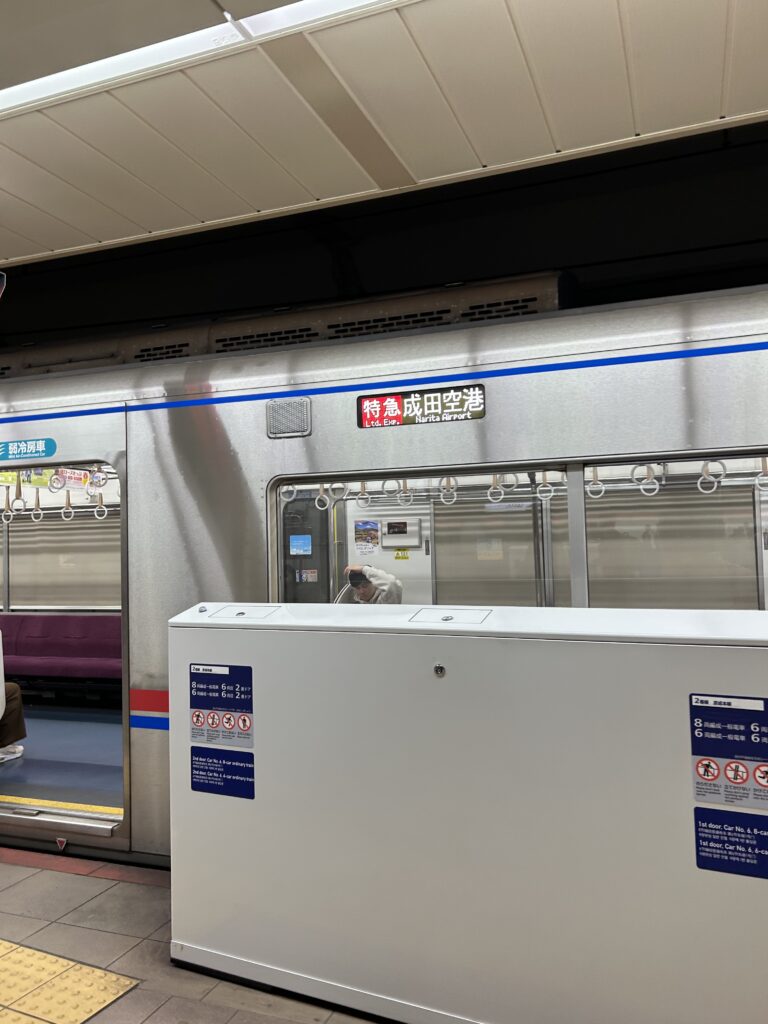
- NRT: Narita International Airport – a bit further out from Tokyo city center but a common airport hub with many transport options to get in/out.
- There a lots of direct express trains you can book, or buses/airport limosines you can take into the center of the city.
- HND: Haneda International Airport – a tad closer to Tokyo city center, but similar options to get in/out
- Pro tip when leaving: a lot of restaurants are BEFORE security, so if you arrive early, eat at the food court BEFORE you enter. I found the options inside were a a bit more mid compared to options outside of security.
- KIX: Kansai International Airport (close to Osaka, Kobe, and Kyoto). Not Tokyo, but I would consider flying in or out of KIX depending on your itinerary. Potentially more expensive though, from my experience.
- Note: don’t confuse with ITM (Osaka International Airport) which serves domestic flights.
NOTE: I’m based on the East Coast of the USA, so my knowledge shared here is based on my travel out of NYC and I primarily have flown in/out of NRT and HND.
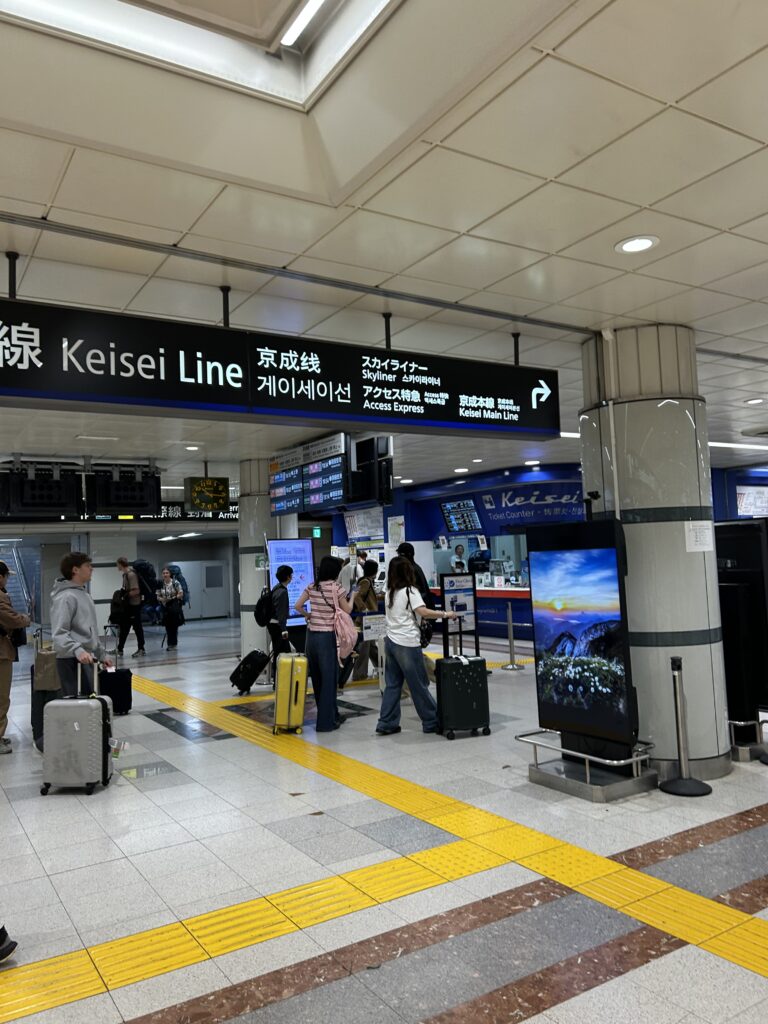
How to get into the city from the Airport
I would say these options below are not Tokyo specific. Osaka (KIX) and Sapporo (CTS) have generally the same options available to get from the airport into the main city.
- Taxis – most expensive but have fixed rates
- Note: ubers do work here. Ubers are different than the US because they are basically also owned by the taxi companies and have fixed rates. So Uber just basically works as a taxi calling app in Japan.
- Trains – vary from regular trains (cheapest) to express trains (more expensive)
- Airport Limosines – same as above, varying in price. Usually cheaper if you pre-book but plenty of availability in person too, so no need to stress about what time you are landing and if your flight is delayed.
- JR Pass (Tokyo Specific) – yes, this works to get from the NRT (unsure about HND) airport to the city, but with the increased cost of the pass nowadays, you should think about when you want this activated, as the JR Pass only works for x number of days depending on which one you buy.
- JR Pass specific notes below too.
- Helpful guides to review:
- NRT to Tokyo guide covering all travel options + prices
- HND to Tokyo
- (never done it out of Osaka, so can’t rec anything concrete)
How to Get Around Tokyo/Japan in general
Tokyo Subway System:
- Tokyo 1-3 day subway pass
- If you’re going to be riding the subway several times within a few days, you can buy a tourist pass for unlimited travel on all subway lines, with choices of a 24-, 48-, or 72-hour ticket.
- Available from Tokyo Metro Pass Offices and Tourist Information at some subway stations, branches of large electronics stores like Bic Camera, and tourist information centers throughout the city. You will need to bring your passport to show that you’re a visitor to Japan.
- You can also buy one off tickets at any subway station if you prefer, but probably not the most convenient/cost effective.
- Physical Rechargeable IC cards: Pasmo or Suica (work virtually all over Japan).
- No matter which brand you choose, it does not matter – the only difference is the design and company that owns them.
- You can buy a Suica Welcome card ahead of time on klook and redeem at HND/NRT or other major transport hubs like Tokyo/Shinjuku Station.
- Bonus: ICOCA in Osaka – but Pasmo and Suica can still be used in Osaka area
- iPhone Wallet
- If you have an iPhone, you can add a Suica/Pasmo to your “wallet” and recharge on your iPhone. (how to guide here)
- This should work on androids too, but last time I was there at the end of 2024, my friends with androids weren’t able to get this option to work.
- Also, last time I was there, I was only able to recharge the card on my iPhone with a MasterCard. Super weird, so try and see if you can do this before you get there so you can hit the ground running if you are going with this option.
- If you have an iPhone, you can add a Suica/Pasmo to your “wallet” and recharge on your iPhone. (how to guide here)
Should I get a JR Pass?
I did extensive research on if a JR Pass was worth it for me. Below, I’ve compiled the resources I used to determine if it was worth my coin. I would suggest reading through and determining what you want to be doing in Japan and for how long to see if the Pass is worth your while.
- Everything you need to know about the JR Pass: Guide here
- Note 1: there are many sites that sell the JR Pass. I personally used the one in this link.
- If you decide to buy a JR Pass, BUY BEFORE GOING TO JAPAN! IT WILL BE CHEAPER!!!!
- You can have this shipped to your house. Bring with you and activate at a JR office upon arrival. There is an option to ship to a hotel too. In 2018, I bought the Pass in person in Tokyo, but it was ~100$ more expensive. However, for my planned route, it was still worth it.
- With the price increase in Oct 2023, use this link to enter your planned stops to determine if it is worth it for you to buy the whole JR Pass or just get a regional one. Just add in your expected travel between cities so you can see expected ticket prices and see if the JR pass is less or more, so you can decide which option is best for you.
How do I book my seats for the JR Pass?
Even if you have a JR Pass, you still need to reserve your seats for specific trains (ie. from Tokyo to Osaka). If you don’t reserve a seat, you might just be stuck standing the whole time.
If you have a JR Pass, you can’t reserve seats on a train until you go in person (as far as I am aware..). You need to go to a JR station stop and either ask them to book for you in person or you can book it for yourself at a train kiosk.
PRO TIP: if you’re lazy, or if you have green car passes and cannot figure out the kiosk booking with the green pass (happened to me, the interface of the kiosk was just soo confusing for my jetlagged brain to handle), just wait in line at their office managed by workers and they will book your train/reserve seats for you. When it is crowded, you can only book 1 train at a time, but I found it worth just getting in line again to have them booking trains for me instead of trying to decipher the kiosk on my first day.
Important note: if the country is having a national holiday, be prepared for crowds + reserve your trains ASAP! Seats will be booked up FAST and trains can sell out.
If you find that the JR pass is not worth it for you (which it probably no longer is unless you literally go to 7 places and across the entire country in 7 days) – you can now pre-book train tickets on Klook! So worth it to be able to control your schedule.
- But if you have no idea what your schedule will be, you can always just book your JR train tickets day of.
Restaurants and Reservations
Great, you know how to get all around Tokyo and Japan in general. Now, you’re hungry. Of course, you’re going to hit up 7/11, Family Mart, Ichiran, but what do you need to know about eating like a local or trying to get into a popular restaurant? I’ve found there are 3 types of places in Japan:
- Easy to get into places, just walk in.
- Popular places that do not take reservations
- Popular places that only take reservations/have very limited walk-ins
My biggest tip for you is if there is a specific place you know you want to visit before hand, do your research before you go.
When I went in 2023, places that didn’t take reservations made you wait in a queue OR you put your name in, get a ticket, and could walk around until it was your designated time slot/your turn next. This was the most time friendly option, since you can explore the neighborhood while you wait.
- note/beware: some places require you to pay a sit down fee if you do not have a reservation. It is a bit of a tourist trap tactic. You can just leave unless you REALLY want to eat there. Also, some tourist trap restaurants may charge you a strange fee/something you did not buy if you don’t speak japanese. Just be mindful and review your receipts.
Websites/apps you should know about if you’re a bit of a foodie:
- Tablelog – download the app to see the local ratings for restaurants. Locals don’t really use google reviews or yelp – they use this app. While it is all in Japanese, you can at least see the star ratings and some let you book a reservation through the app.
- https://omakase.in/– to browse Michelin/omake restaurants and book
- Google maps – not bad to use to search for food.
- Pro tip: you can type things in english and you will get a certain set of things. Searching things in japanese will give you a whole lot of other options as well! I save a bunch of japanese food words in my notes app so I can search the area I’m in for specific food. A few of the words I have saved below:
- Ramen: らーめん (hiragana) or sometimes ラーメン (katakana)
- Katsu: かつ
- Onigiri: おにぎり
- Sushi: すし
- Extra pro tip: the opening times on google maps is accurate, but *beware* the closing time! Usually, a shop actually stops serving food/taking orders about an hour or so before the actual closing time listed in google maps. So be aware that if you show up at 7:30pm to a place that says it closes at 8pm, they’re going to likely tell you they aren’t taking more customers! But don’t worry – you’ll probably be able to find plenty of places that open at 5pm and don’t close until 1-2am haha.
- Pro tip: you can type things in english and you will get a certain set of things. Searching things in japanese will give you a whole lot of other options as well! I save a bunch of japanese food words in my notes app so I can search the area I’m in for specific food. A few of the words I have saved below:
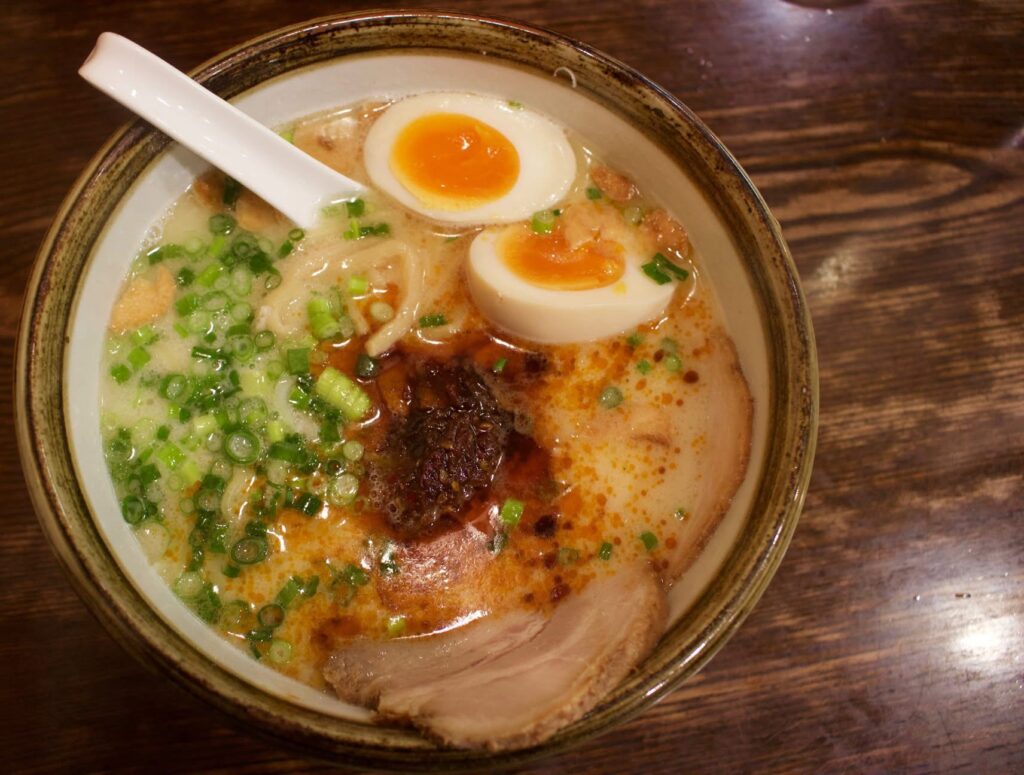
pictured: my first ramen in Japan. Has a special place in my heart. It was a random shop, but was so delicious.
How to book Tours/Museum tickets.
If you’re like me, you want to visit the Ghibli Museum when you come. These book FAST and are not the easiest tickets to snag. Tickets drop on the 10th one month before. Let’s say you want tickets for May 5? You need to be prepared to buy them on April 10th at midnight, Japan local time. You must buy these online via Lawson (English) account! (link to make account here). This is also the reddit guide I used to help me book those tickets: reddit guide here
Noodle Cup Musuem in Yokohama – (closed Tuesdays!) You can just walk in and buy these. There’s an extra charge to make your own cup noodle (500yen, but so worth!) and you’ll get assigned a time slot. You could also buy these ahead of time if you are concern about not getting a DIY noodle cup time slot. You can buy ahead of time at a Lawson (which is honestly a bit confusing, but you could google translate your way through it).
A few of the other resources I have used over my past few trips:
- Viator – I’ve used this to book a tour for Tsukiji market and many other day trips. I really loved it because the market can be really overwhelming for a first timer, so I def recommend for Tsukiji/Toyosu (new fish market).
- Klook
- Used this for DisneySea tickets!!! App is super easy to use and can buy other types of tickets/events on it
- Booked the teamLab BORDERLESS tickets here too
- teamLab PLANET (which is supposedly better) wasn’t open when I visited last time, but can book tickets here and a bunch of other activities with klook too!
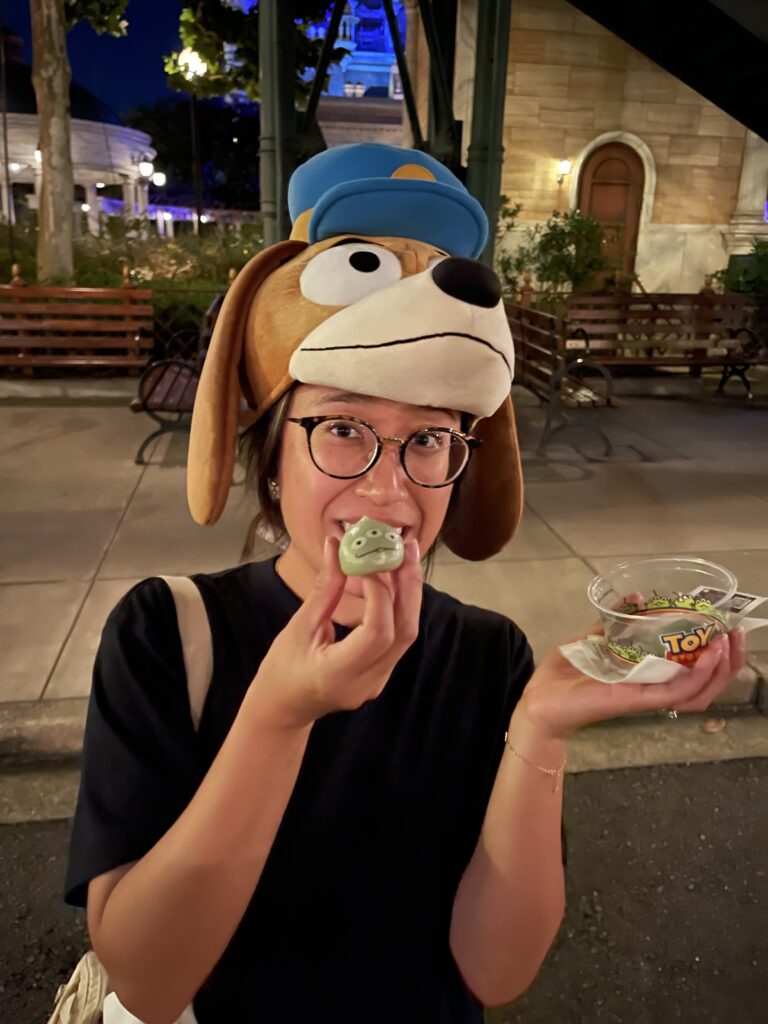
the alien mochis at Disney Sea are so worth it and so good! Disney merch in Tokyo are also unmatched in creativity and price!!!
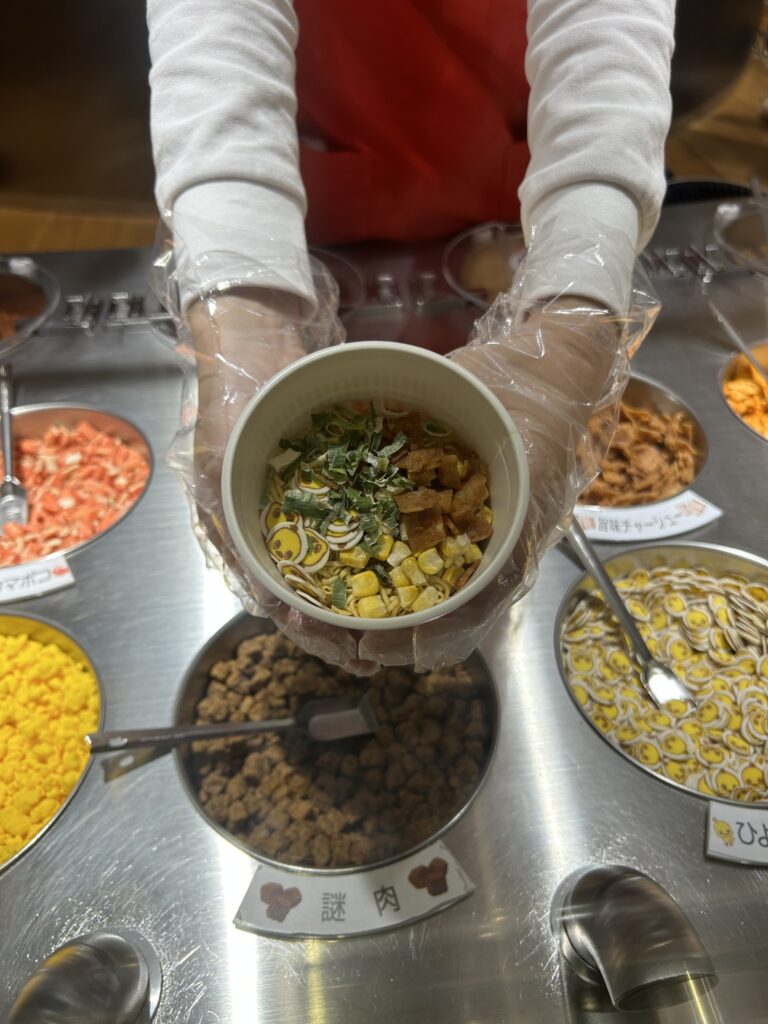
DIY Noodle Cup at the Noodle Cup Museum!
General tips to Remember
Now you know how to get around, eat delicious foods, and see all the coolest exhibits! Last but not least, here are all the other things I always tell my friends and family to remember when they are visiting:
- CASH!!!!!!!!!!!!!!!!! – Just always have cash on hand, especially at markets or little stalls. Even some restaurants or little small onsens/towns in general
- I withdrew all of my cash from 7/11 ATMs. You can do this at any convenience store though, but I’ve found 7/11 is the cheapest.
- Google maps – very reliable to use to get around. It is sooo detailed and even tells you which train car to get on so you can make the quickest transfer/exit, and tells you what exit to get out of too. Super helpful because some train stations are massive! Save all the places you want to visit on a list in google maps.
- Google translation app – helpful to communicate with locals and widely used nowadays by locals too.
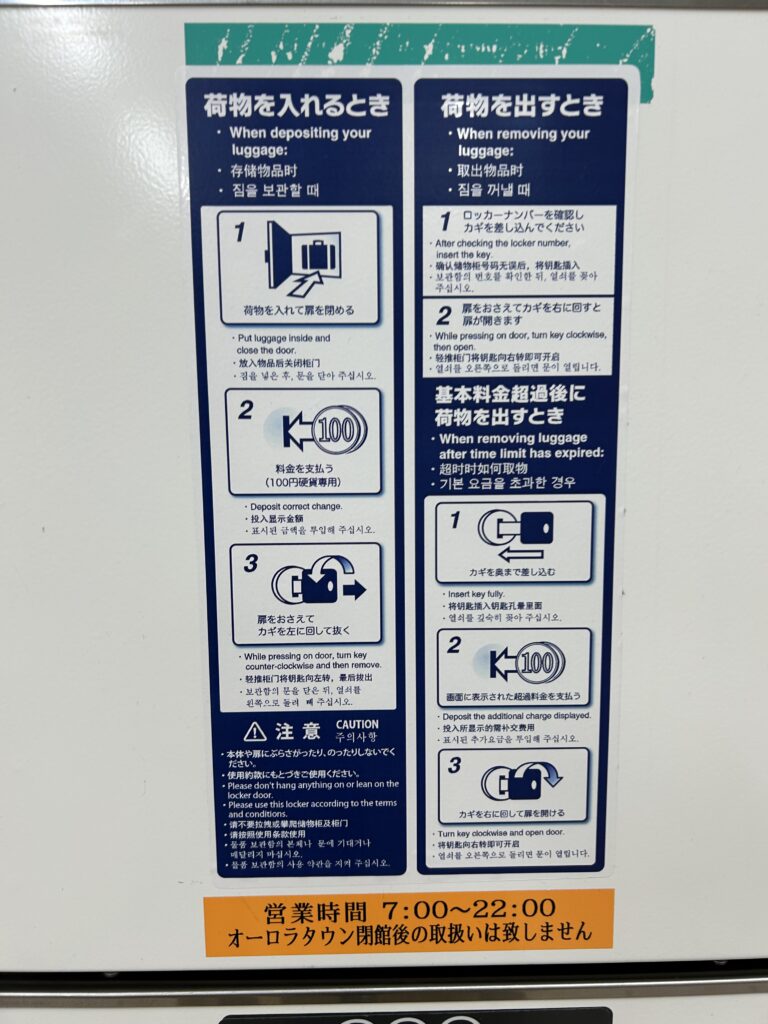
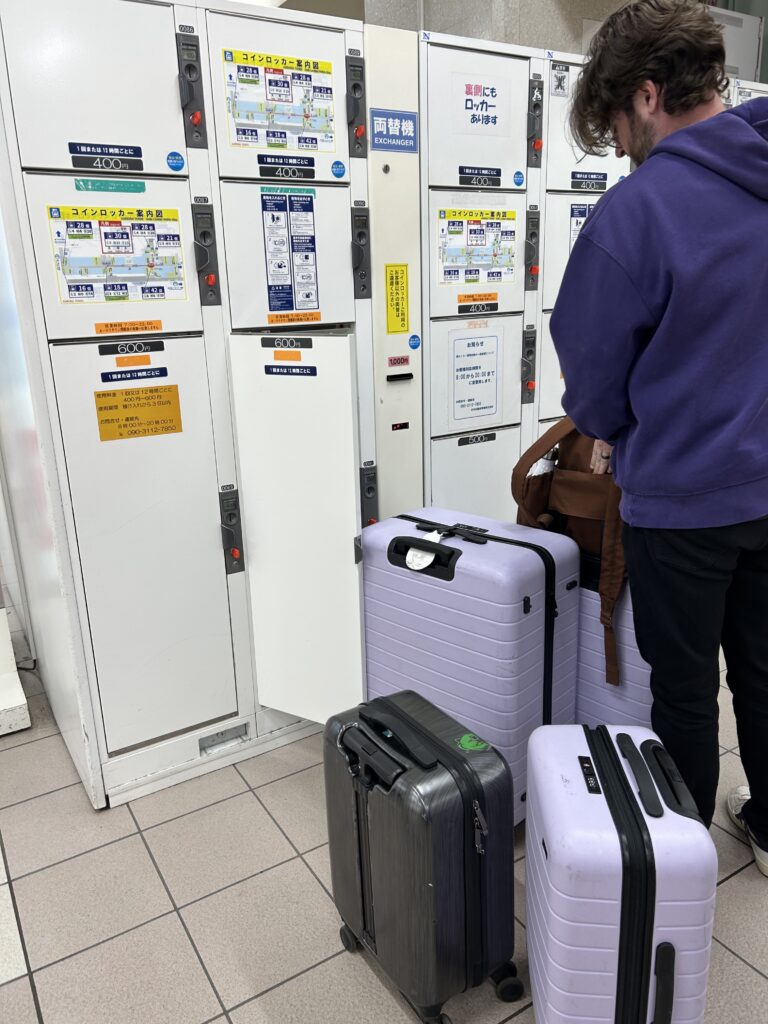
- Luggage lockers – Many train stations have luggage lockers where you can store your bag/suitcase for a certain fee per day. Super convenient for day trips but they do fill up fast. Just pay attention to the price and how many days you can do it for and take a pic of where the locker is!
- We were able to fit 2 big luggages, 2 carry-ons, and 2 backpacks in 2 big and 1 small locker.
- Empty luggage – speaking of luggage… You should just plan to bring an empty suitcase for you to fill up with clothes/snacks/skincare/all the things when you’re there! Heck, even buy one when you are here. It’ll be soooo worth it!
I know that was a lot, but now you’re fully equipped for your first trip to Japan 😉 You’ll have the best time and just remember to be respectful, try all the food, and be in awe at their incredibly punctual and clean public transportation.
I hope you found this article helpful! And did you find the secret photo?
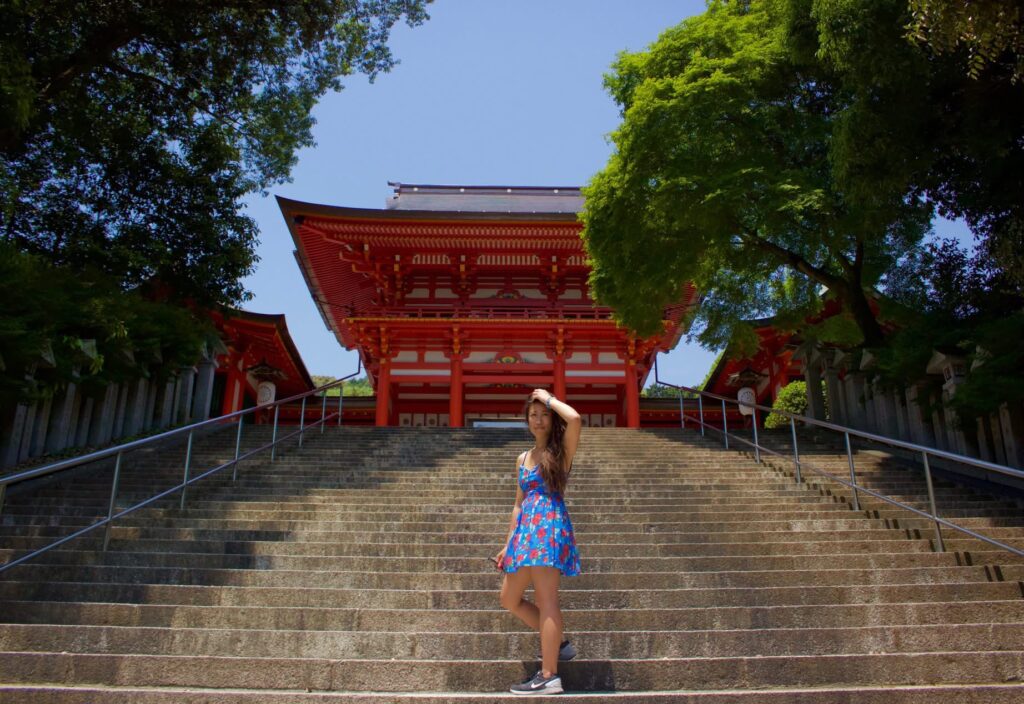
Omi Jingu! Chihayafuru fans know. Or karuta fans haha.
